
Tal Mishri: Traditional Sweetness, A Smarter Choice
Tal Mishri: Traditional Sweetness, A Smarter Choice
Less processed, naturally balanced, and rooted in tradition , tal mishri offers a more mindful approach to sweetness without losing the comfort of familiar taste.
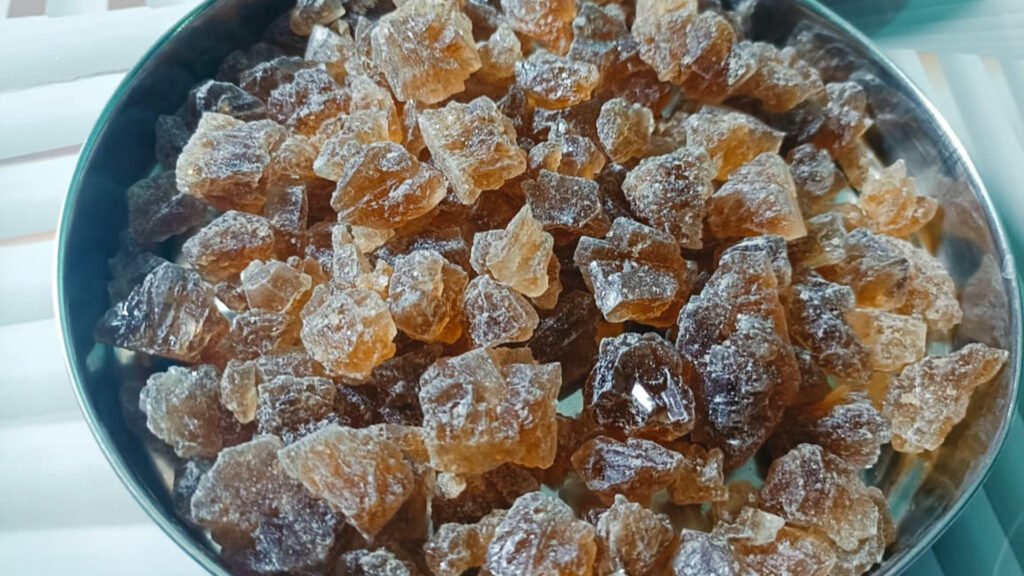
We often treat all sweeteners the same. Whether it’s refined sugar, jaggery, or mishri, the assumption is simple,they’re all just forms of sweetness. But from a nutritional and metabolic standpoint, the way these sweeteners interact with the body can differ in meaningful ways.
Tal Mishri is one such example that deserves closer attention.
Tal Mishri is made from the sap of the Palmyra Palm. The sap is gently heated and then allowed to crystallise over time, forming natural sugar crystals.
It is minimally processed and retains some of its natural composition, placing it between highly refined sugar and more dense traditional sweeteners like jaggery.
Glycemic Index and Blood Sugar Response
A useful way to understand sweeteners is through the Glycemic Index,a measure of how quickly a food raises blood glucose.
- Refined sugar: typically medium GI (~60–65)
- Jaggery: often medium to high GI
- Tal mishri: reported in some palm variants to be lower (~35–40)
A lower GI means glucose is released more gradually into the bloodstream.
In practical terms, this can translate to:
- a steadier rise in blood sugar
- fewer sharp spikes
- a more stable energy pattern
Impact on Energy and Cravings
Rapid spikes in blood sugar are often followed by a drop, which can trigger renewed hunger or cravings. This spike–crash cycle is commonly associated with frequent sugar intake.
Because tal mishri tends to release glucose more slowly, it may not trigger this cycle as sharply. As a result, some people experience:
- more sustained energy
- fewer sudden cravings
It is important to note that no sugar is truly non-addictive. However, the rate of absorption can influence how often cravings occur.
Metabolic Perspective
Frequent blood sugar spikes are linked with long-term metabolic stress, including risks such as Type 2 Diabetes and weight gain.
Tal Mishri does not eliminate these risks, but its relatively moderated glycemic response may place less immediate strain on the body compared to faster-absorbing sugars.
The difference is subtle, but over time, repeated patterns matter.
Nutritional View
- Refined sugar: no nutrients, only calories
- Jaggery: higher in minerals like iron and calcium
- Tal Mishri: contains trace minerals (Iron, Magnesium, Potassium, etc)
Tal Mishri is balanced in nutrition, and it offers a cleaner and more consistent composition compared to highly processed sugar.
A Balanced Takeaway
Tal Mishri is still a form of sugar and should be consumed in moderation. Its advantage lies not in eliminating sugar’s effects, but in offering a more gradual and balanced metabolic response.
For those looking to move away from highly refined options without shifting to heavier alternatives, tal mishri presents a middle path,one that aligns both with traditional use and emerging nutritional understanding.